Calories
95 kcal
5% of Daily kcal · low-calorie
Protein
1.5 g
3% RDI
Fat
0.2 g
0g sat fat
Carbs
22 g
8% RDI
Sugar
18 g
36% RDI
Fiber
2.5 g
8% RDI
Salt
4.2 g
84% RDI
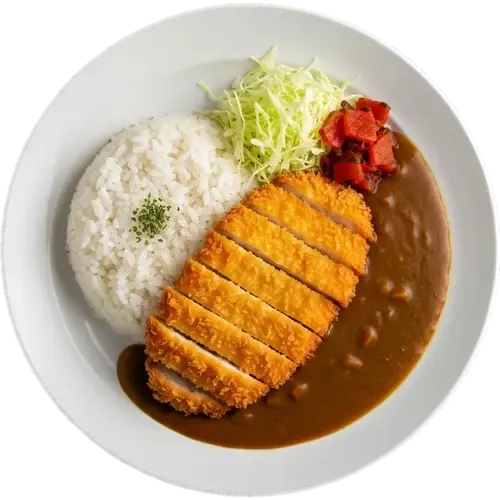
Fukujinzuke is a Japanese relish of finely chopped vegetables (often daikon, eggplant, lotus root and cucumber) pickled in a soy-sugar based brine and commonly served with curry and rice. It is typically used in small amounts as a salty-sweet condiment and contains 4.2g of sodium per 100g, so a little goes a long way. Nutritionally it is low in fat and protein but provides small amounts of fiber and vitamin K; because it’s a pickled, sweetened product it often contributes added sugar and salt rather than essential nutrients, so moderate use or lower-sodium/unsweetened alternatives is recommended.
Vegan · Lactose free · Processed · ~1.80€/100g
Kinome Health Grade
Use selectively
-
Macronutrients per selected portion. Derived from Fukujinzuke (Japanese Pickles).
5% of Daily kcal · low-calorie
3% RDI
0g sat fat
8% RDI
36% RDI
8% RDI
84% RDI
Scored against dietary guidelines. Tap rows for a deeper breakdown.
Composite score - weighted by current nutrition science
D- · 3.9 / 10
Ingredients that rank higher on the overall quality profile and might substitute well in some recipes.
Top-rated recipes across the kinome library.
Fukujinzuke is rated D- on overall nutritional quality and is best consumed in moderation alongside more nutrient-dense foods.
Fukujinzuke is NOVA 3 - Processed.
Yes, Fukujinzuke is lactose free.
100g of Fukujinzuke contains 95 kcal, 1.5g protein, 22g carbohydrates, 0.2g fat, and 2.5g fiber.
Yes, Fukujinzuke is vegan.