Calories
321 kcal
16% of Daily kcal · energy-dense
Protein
21 g
43% RDI
Fat
25 g
18g sat fat
Carbs
3.6 g
1% RDI
Sugar
3.6 g
7% RDI
Fiber
0 g
0% RDI
Salt
0.1 g
2% RDI
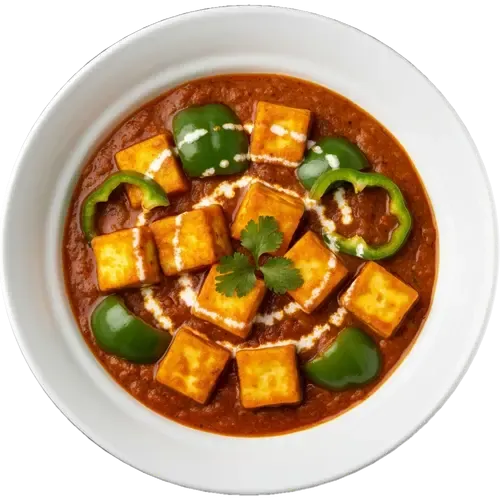
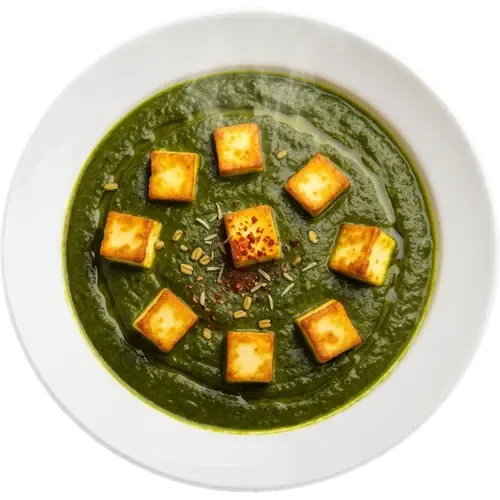
Paneer is a fresh Indian cheese made by curdling milk and pressing the curds; it's commonly used in South Asian cooking for curries, grilled preparations and snacks. It is a concentrated source of protein, providing about 21.4g of protein per 100g, which makes it useful where a creamy, high-protein ingredient is desired. Paneer has a mild, milky flavor and a firm texture that holds up well to frying and simmering. Nutrition-wise, paneer supplies substantial protein and also provides fat-soluble nutrients such as vitamin B12, but it is relatively low in fiber and contains a notable amount of saturated fat and calories compared with many plant-based alternatives. This means it can be a good protein-rich choice in moderation, but portion control is helpful if you are watching saturated fat or energy intake. From a health perspective, paneer offers a high-quality amino acid profile and useful B12 for those who consume dairy, though it lacks dietary fiber and has a richer fat profile than many plant proteins—so pairing it with vegetables or using lower-fat versions can improve the overall meal balance.
Vegetarian · Gluten free · Processed · ~1.60€/100g
Kinome Health Grade
Fair
-
Macronutrients per selected portion. Averaged from verified sources.
16% of Daily kcal · energy-dense
43% RDI
18g sat fat
1% RDI
7% RDI
0% RDI
2% RDI
Scored against dietary guidelines. Tap rows for a deeper breakdown.
Composite score - weighted by current nutrition science
C · 5.6 / 10
Ingredients that rank higher on the overall quality profile and might substitute well in some recipes.
Top-rated recipes across the kinome library.
Paneer is rated moderate (Health Grade C) per 100g and can be part of a balanced diet.
Paneer is NOVA 3 - Processed.
Yes, Paneer is gluten free.
100g of Paneer contains 321 kcal, 21.4g protein, 3.6g carbohydrates, 25g fat, and 0g fiber.
Yes, Paneer is vegetarian but not vegan.