Calories
285 kcal
14% of Daily kcal · energy-dense
Protein
20 g
40% RDI
Fat
6 g
1.6g sat fat
Carbs
52 g
19% RDI
Sugar
2 g
4% RDI
Fiber
30 g
100% RDI
Salt
0.1 g
2% RDI
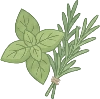
Dried Mint is a concentrated, aromatic herb used widely in Mediterranean, Middle Eastern and South Asian cuisines for flavoring teas, salads, sauces and marinades. It is known for its cooling scent and bright, minty flavor that persists when dried. Although small amounts are typically used, dried mint is nutrient-dense and notably high in fiber at 30g per 100g, reflecting how drying concentrates the herb's solids; it also contributes minerals such as iron and is a source of plant protein. Beyond basic macronutrients, dried mint is a rich source of micronutrients (notably vitamin K and iron) and contains antioxidant compounds, making it a flavorful way to boost vitamins and minerals in small servings.
Vegan · Lactose free · Gluten free · Unprocessed · ~12.00€/100g
Kinome Health Grade
Optimal
-
Macronutrients per selected portion. Averaged from verified sources.
14% of Daily kcal · energy-dense
40% RDI
1.6g sat fat
19% RDI
4% RDI
100% RDI
2% RDI
Scored against dietary guidelines. Tap rows for a deeper breakdown.
Composite score - weighted by current nutrition science
S+ · 10.0 / 10
Ingredients that rank higher on the overall quality profile and might substitute well in some recipes.
Top-rated recipes across the kinome library.
Yes, Dried Mint is exceptionally healthy, earning an S Health Grade. It has a strong fat quality profile.
Dried Mint is NOVA 1 - Unprocessed.
Yes, Dried Mint is gluten free.
100g of Dried Mint contains 285 kcal, 20g protein, 52g carbohydrates, 6g fat, and 30g fiber.
Yes, Dried Mint is vegan.
Yes, Dried Mint is lactose free.