Calories
265 kcal
13% of Daily kcal · energy-dense
Protein
24 g
47% RDI
Fat
19 g
6.8g sat fat
Carbs
0 g
0% RDI
Sugar
0 g
0% RDI
Fiber
0 g
0% RDI
Salt
0.2 g
3% RDI
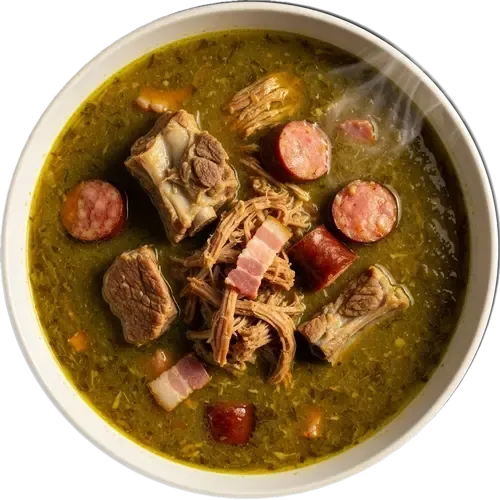
Pork Ear is the thin cartilaginous outer portion of a pig's ear commonly used in many cuisines as a crunchy snack, braised dish, or bar food; it appears in Southern US, Chinese, Filipino and various European preparations. It is notable as a protein-rich cut, providing about 23.5g of protein per 100 g, and is prized for its chewy texture thanks to collagen and connective tissue. Nutritionally, pig ear is low in carbohydrates and fiber but relatively high in total and saturated fat, so while it delivers filling protein and texture it should be eaten in moderation as part of a varied diet.
Lactose free · Gluten free · Unprocessed · ~0.50€/100g
Kinome Health Grade
Fair
-
Macronutrients per selected portion. Derived from Pig Ear.
13% of Daily kcal · energy-dense
47% RDI
6.8g sat fat
0% RDI
0% RDI
0% RDI
3% RDI
Scored against dietary guidelines. Tap rows for a deeper breakdown.
Composite score - weighted by current nutrition science
C+ · 6.0 / 10
Ingredients that rank higher on the overall quality profile and might substitute well in some recipes.
Top-rated recipes across the kinome library.
Pork Ear is rated moderate (Health Grade C+) per 100g and can be part of a balanced diet.
Pork Ear is NOVA 1 - Unprocessed.
Yes, Pork Ear is lactose free.
100g of Pork Ear contains 265 kcal, 23.5g protein, 0g carbohydrates, 19.3g fat, and 0g fiber.
Yes, Pork Ear is gluten free.