Calories
0 kcal
0% of Daily kcal · low-calorie
Protein
0 g
0% RDI
Fat
0 g
0g sat fat
Carbs
0 g
0% RDI
Sugar
0 g
0% RDI
Fiber
0 g
0% RDI
Salt
100 g
100% RDI
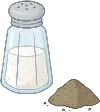
Salt is the common culinary salt used worldwide to season and preserve foods; it appears in many varieties such as sea salt, kosher salt and specialty salts. It contains 100g of salt per 100g and provides essentially no calories or macronutrients when used in typical amounts. As an ingredient, Salt is valued for intensifying and balancing flavors rather than for nutrition — it is nearly pure sodium chloride and is used sparingly in recipes. Because it is purely a source of sodium, relying heavily on Salt can increase dietary sodium intake; many people reduce usage or swap in potassium-based low-sodium salts, herbs, or acids (lemon/vinegar) to maintain flavor with less sodium.
Vegan · Lactose free · Gluten free · Culinary processed · ~0.20€/100g
Kinome Health Grade
Use selectively
-
Macronutrients per selected portion. Averaged from verified sources.
0% of Daily kcal · low-calorie
0% RDI
0g sat fat
0% RDI
0% RDI
0% RDI
100% RDI
Scored against dietary guidelines. Tap rows for a deeper breakdown.
Composite score - weighted by current nutrition science
D · 4.2 / 10
Ingredients that rank higher on the overall quality profile and might substitute well in some recipes.
Top-rated recipes across the kinome library.
Salt is rated D on overall nutritional quality and is best consumed in moderation alongside more nutrient-dense foods.
Salt is NOVA 2 - Culinary processed.
Yes, Salt is gluten free.
100g of Salt contains 0 kcal, 0g protein, 0g carbohydrates, 0g fat, and 0g fiber.
Yes, Salt is vegan.
Yes, Salt is lactose free.