Calories
315 kcal
16% of Daily kcal · energy-dense
Protein
18 g
36% RDI
Fat
27 g
9.5g sat fat
Carbs
0 g
0% RDI
Sugar
0 g
0% RDI
Fiber
0 g
0% RDI
Salt
0.2 g
3% RDI
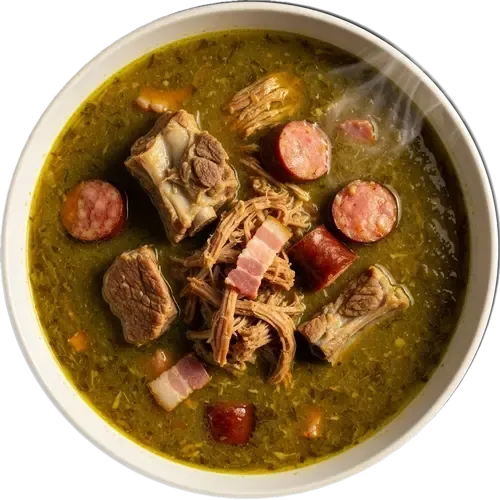
Pork Tail is the tail of the pig, used in many regional cuisines for stews, braises and soups where its collagen and fat add rich flavor and mouthfeel. It is especially common in Southern U.S., Caribbean and some Asian dishes and is prized for the gelatinous texture it gives to dishes when slow-cooked. Nutritionally, Pork Tail is an energy-dense cut that is a notable source of animal protein, providing about 18g of protein per 100g, and it contributes substantial fat that helps yield a rich, unctuous cooking result. It also supplies minerals such as selenium and a mix of mono- and polyunsaturated fats, along with saturated fat, so it’s best consumed in moderation as part of a varied diet. From a health perspective, it delivers high-quality amino acids and is useful when you need gelatinous, flavorful meat for long-cooked dishes, but it contains little fiber or plant-derived protective compounds and is relatively high in fats that should be balanced with leaner proteins and vegetables in meals.
Lactose free · Gluten free · Unprocessed · ~0.30€/100g
Kinome Health Grade
Healthy
-
Macronutrients per selected portion. Averaged from verified sources.
16% of Daily kcal · energy-dense
36% RDI
9.5g sat fat
0% RDI
0% RDI
0% RDI
3% RDI
Scored against dietary guidelines. Tap rows for a deeper breakdown.
Composite score - weighted by current nutrition science
B · 6.7 / 10
Ingredients that rank higher on the overall quality profile and might substitute well in some recipes.
Top-rated recipes across the kinome library.
Yes, Pork Tail is considered healthy with a Health Grade of B. It is high in protein with 18g per 100g.
Pork Tail is NOVA 1 - Unprocessed.
Yes, Pork Tail is lactose free.
100g of Pork Tail contains 315 kcal, 18g protein, 0g carbohydrates, 27g fat, and 0g fiber.
Yes, Pork Tail is gluten free.