Calories
65 kcal
3% of Daily kcal · low-calorie
Protein
2 g
4% RDI
Fat
0.1 g
0g sat fat
Carbs
14 g
5% RDI
Sugar
0.5 g
1% RDI
Fiber
1.5 g
5% RDI
Salt
0 g
0% RDI
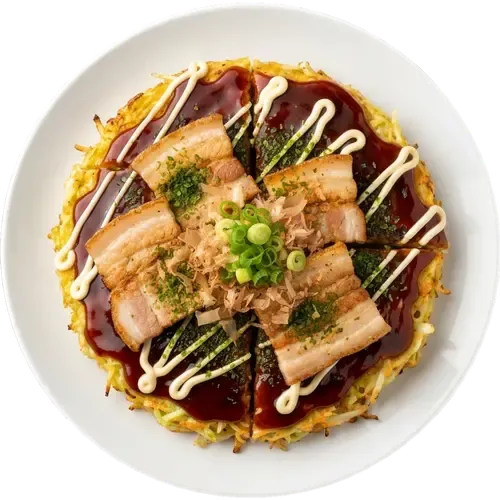
Japanese Mountain Yam (also called nagaimo or yamaimo) is a starchy root vegetable used in Japanese, Chinese and other East Asian cuisines; it’s often eaten raw grated into sauces, added to soups, or sliced for stir-fries because of its distinctive slimy, sticky texture. It’s prized for its mild, slightly sweet flavor and the creamy bind it brings to dishes. Nutritionally, Japanese Mountain Yam is relatively low in fat and provides a good dose of minerals — notably 816mg of potassium per 100g — along with modest protein and some fiber; its mucilaginous starches are also used as a gentle thickener in cooking. From a health perspective, it offers high protein quality for a plant food and is a low-fat, nutrient-dense ingredient that can support potassium intake and digestive regularity when included regularly in meals.
Vegan · Lactose free · Gluten free · Unprocessed · ~1.50€/100g
Kinome Health Grade
Optimal
-
Macronutrients per selected portion. Averaged from verified sources.
3% of Daily kcal · low-calorie
4% RDI
0g sat fat
5% RDI
1% RDI
5% RDI
0% RDI
Scored against dietary guidelines. Tap rows for a deeper breakdown.
Composite score - weighted by current nutrition science
S · 9.4 / 10
Top-rated recipes across the kinome library.
Yes, Japanese Mountain Yam is exceptionally healthy, earning an S Health Grade. It is highly satiating for the calories provided.
Japanese Mountain Yam is NOVA 1 - Unprocessed.
Yes, Japanese Mountain Yam is gluten free.
100g of Japanese Mountain Yam contains 65 kcal, 2g protein, 14g carbohydrates, 0.1g fat, and 1.5g fiber.
Yes, Japanese Mountain Yam is vegan.
Yes, Japanese Mountain Yam is lactose free.