Calories
25 kcal
1% of Daily kcal · low-calorie
Protein
1.9 g
4% RDI
Fat
0.3 g
0.1g sat fat
Carbs
4.9 g
2% RDI
Sugar
1.9 g
4% RDI
Fiber
2 g
7% RDI
Salt
0 g
1% RDI
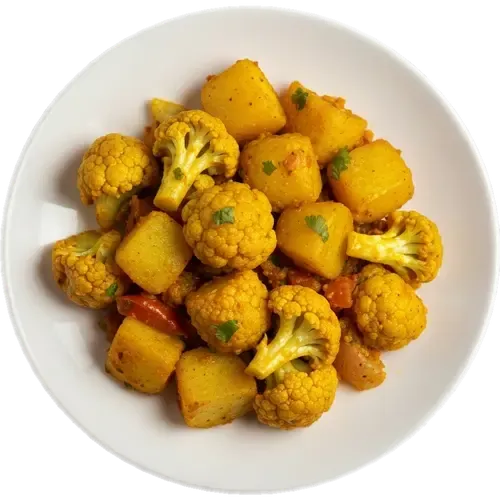
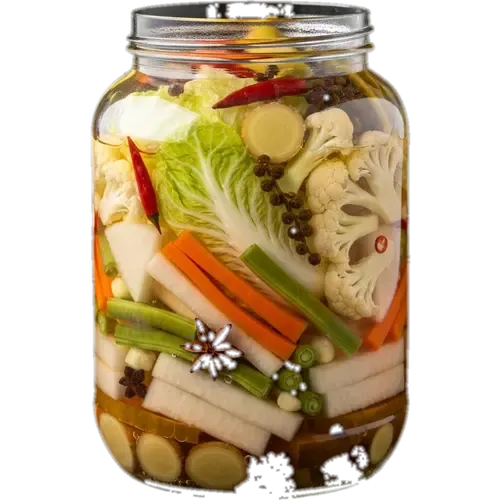
Cauliflower is a versatile cruciferous vegetable commonly used in cuisines worldwide, from roasted side dishes to mashed or "riced" low‑carb alternatives. It is mild in flavor and prized for its firm florets that hold up well to roasting, steaming and stir‑frying. Nutritionally, Cauliflower is very low in calories while providing 2g of fiber per 100g; it also supplies vitamin C and folate and contains only a trace of fat. This combination makes it useful for adding bulk and micronutrients to dishes without many calories. Cauliflower also contains cruciferous phytochemicals such as glucosinolates, which have been studied for antioxidant and detoxification‑supporting effects, and contributes modest amounts of plant protein and several vitamins and minerals that support a balanced diet.
Vegan · Lactose free · Gluten free · Unprocessed · ~0.18€/100g
Kinome Health Grade
Optimal
-
Macronutrients per selected portion. Averaged from verified sources.
1% of Daily kcal · low-calorie
4% RDI
0.1g sat fat
2% RDI
4% RDI
7% RDI
1% RDI
Scored against dietary guidelines. Tap rows for a deeper breakdown.
Composite score - weighted by current nutrition science
S+ · 10.0 / 10
Ingredients that rank higher on the overall quality profile and might substitute well in some recipes.
Top-rated recipes across the kinome library.
Yes, Cauliflower is exceptionally healthy, earning an S Health Grade. It is a good source of dietary fiber (2g per 100g).
Cauliflower is NOVA 1 - Unprocessed.
Yes, Cauliflower is gluten free.
100g of Cauliflower contains 25 kcal, 1.9g protein, 4.9g carbohydrates, 0.3g fat, and 2g fiber.
Yes, Cauliflower is vegan.
Yes, Cauliflower is lactose free.