Calories
33 kcal
2% of Daily kcal · low-calorie
Protein
2 g
4% RDI
Fat
0.2 g
0g sat fat
Carbs
7.5 g
3% RDI
Sugar
1.5 g
3% RDI
Fiber
3.2 g
11% RDI
Salt
0.1 g
1% RDI
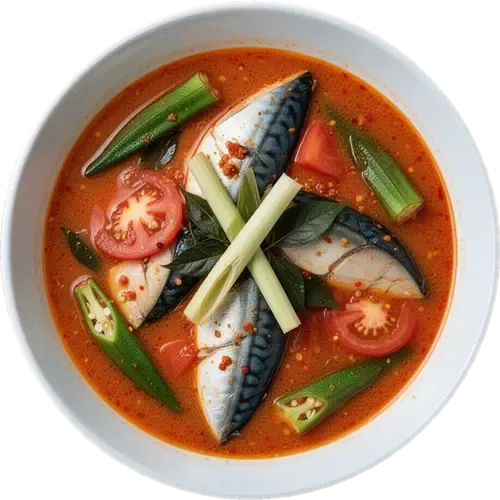
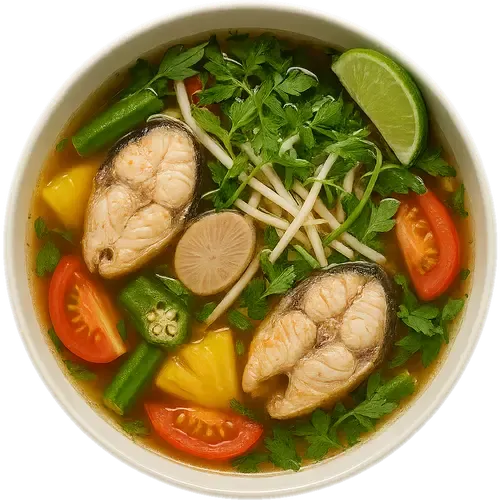
Okra is the edible green pod commonly used across West African, South Asian, Middle Eastern and Southern U.S. cuisines; it’s often stewed, fried, or used to thicken soups and gumbos thanks to its mucilaginous texture. Producers and cooks know it as a versatile vegetable—sometimes called "lady's fingers"—that holds shape when cooked and pairs well with tomatoes, spices and citrus. In nutrition terms, Okra is a low-calorie vegetable that provides notable amounts of dietary fiber — 3.2g per 100g — along with modest protein and vitamin C and K content; it’s very low in fat and sodium. This combination makes it a useful ingredient for adding bulk and micronutrients to a meal without many calories. Overall, Okra delivers good quality plant protein for a vegetable and helps with satiety because of its fiber and gel-forming properties; it also contributes antioxidants and minerals typical of green vegetables, making it a healthful addition to mixed dishes and stews.
Vegan · Lactose free · Gluten free · Unprocessed · ~0.25€/100g
Kinome Health Grade
Optimal
-
Macronutrients per selected portion. Averaged from verified sources.
2% of Daily kcal · low-calorie
4% RDI
0g sat fat
3% RDI
3% RDI
11% RDI
1% RDI
Scored against dietary guidelines. Tap rows for a deeper breakdown.
Composite score - weighted by current nutrition science
S+ · 10.0 / 10
Top-rated recipes across the kinome library.
Yes, Okra is exceptionally healthy, earning an S Health Grade. It is a good source of dietary fiber (3.2g per 100g).
Okra is NOVA 1 - Unprocessed.
Yes, Okra is gluten free.
100g of Okra contains 33 kcal, 2g protein, 7.5g carbohydrates, 0.2g fat, and 3.2g fiber.
Yes, Okra is vegan.
Yes, Okra is lactose free.