Calories
68 kcal
3% of Daily kcal · low-calorie
Protein
0.7 g
1% RDI
Fat
0.2 g
0.1g sat fat
Carbs
16 g
6% RDI
Sugar
12 g
24% RDI
Fiber
1.8 g
6% RDI
Salt
0 g
0% RDI
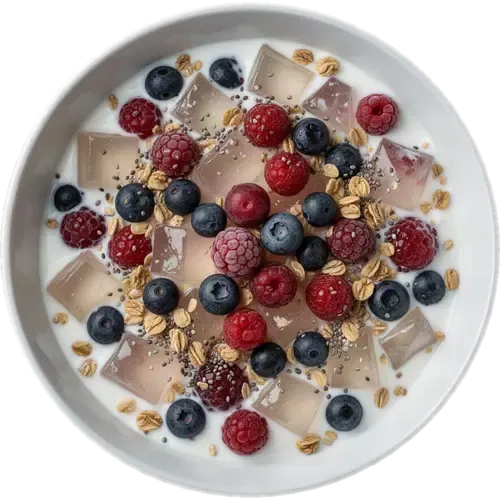
Whole Fruit is a simple whole fresh fruit commonly eaten on its own, in salads or as a snack and can refer to items like peaches, mangoes or mixed fresh fruit salads. It is known for being juicy, sweet and versatile in both sweet and savory dishes. As a fresh fruit, it delivers modest energy but stands out for its vitamin content — about 20mg of vitamin C per 100g — along with some fiber and very little fat. It is not a significant source of protein. Overall this type of fresh fruit is a nutritious, low-fat choice that helps with fullness through its fiber and provides useful micronutrients; however it should be complemented with protein-rich foods if you need a more balanced meal.
Vegan · Lactose free · Gluten free · Unprocessed · ~0.20€/100g
Kinome Health Grade
Healthy
-
Macronutrients per selected portion. Derived from Fruit.
3% of Daily kcal · low-calorie
1% RDI
0.1g sat fat
6% RDI
24% RDI
6% RDI
0% RDI
Scored against dietary guidelines. Tap rows for a deeper breakdown.
Composite score - weighted by current nutrition science
B+ · 7.4 / 10
Ingredients that rank higher on the overall quality profile and might substitute well in some recipes.
Top-rated recipes across the kinome library.
Yes, Whole Fruit is considered healthy with a Health Grade of B+. It is rich in protective compounds.
Whole Fruit is NOVA 1 - Unprocessed.
Yes, Whole Fruit is gluten free.
100g of Whole Fruit contains 68 kcal, 0.68g protein, 16.2g carbohydrates, 0.21g fat, and 1.8g fiber.
Yes, Whole Fruit is vegan.
Yes, Whole Fruit is lactose free.