Calories
72 kcal
4% of Daily kcal · low-calorie
Protein
2.5 g
5% RDI
Fat
0.1 g
0g sat fat
Carbs
17 g
6% RDI
Sugar
7.9 g
16% RDI
Fiber
3.2 g
11% RDI
Salt
0 g
1% RDI
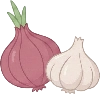
Echalion is a mild-flavored allium — a cultivated hybrid between shallots and onions — used in European and global cuisines where a subtler, slightly sweet onion note is desired. It’s commonly used raw in dressings and salsas or gently cooked into sauces, sautés and roasts. Nutritionally, Echalion is a low-fat vegetable that provides a modest amount of fiber — 3.2g per 100g — along with small amounts of protein and B vitamins; it also contributes trace minerals that add to its nutritional value without many calories. From a health perspective, echalions offer the usual benefits of onions and shallots: fiber and micronutrients plus plant compounds with antioxidant activity. They’re a flavorful way to add aroma and nutrients to dishes without adding much fat or salt.
Vegan · Lactose free · Gluten free · Unprocessed · ~0.60€/100g
Kinome Health Grade
Optimal
-
Macronutrients per selected portion. Derived from Echalion (shallot/onion hybrid).
4% of Daily kcal · low-calorie
5% RDI
0g sat fat
6% RDI
16% RDI
11% RDI
1% RDI
Scored against dietary guidelines. Tap rows for a deeper breakdown.
Composite score - weighted by current nutrition science
S- · 8.8 / 10
Ingredients that rank higher on the overall quality profile and might substitute well in some recipes.
Top-rated recipes across the kinome library.
Yes, Echalion is exceptionally healthy, earning an S Health Grade. It is a good source of dietary fiber (3.2g per 100g).
Echalion is NOVA 1 - Unprocessed.
Yes, Echalion is gluten free.
100g of Echalion contains 72 kcal, 2.5g protein, 16.8g carbohydrates, 0.1g fat, and 3.2g fiber.
Yes, Echalion is vegan.
Yes, Echalion is lactose free.