Calories
26 kcal
1% of Daily kcal · low-calorie
Protein
1 g
2% RDI
Fat
0.1 g
0.1g sat fat
Carbs
6.5 g
2% RDI
Sugar
2.8 g
6% RDI
Fiber
0.5 g
2% RDI
Salt
0 g
0% RDI
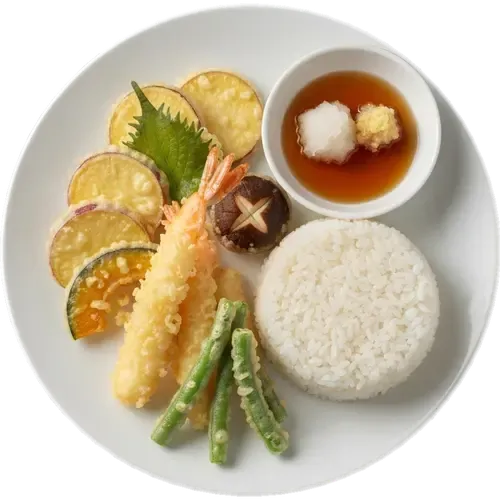
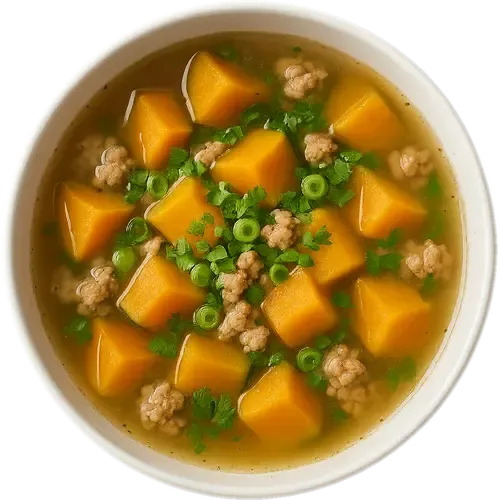
Winter Squash (also called kabocha or Japanese pumpkin) is a sweet, dense winter squash widely used in Japanese and other East Asian cuisines for soups, stews, tempura and roasted dishes. It is prized for its creamy texture, sweet chestnut-like flavor and firm skin that can be cooked with or without peeling. Nutrition-wise, Winter Squash is a low-calorie, nutrient-dense vegetable that supplies small amounts of protein and very little fat, while being a good source of provitamin A — it provides 426 in 100 g — mainly as beta-carotene. Its carbohydrate content gives a pleasant sweetness, and it contributes dietary fiber and vitamin C compared with many starchy sides. Overall, Winter Squash is a wholesome vegetable choice: nutrient-rich, low in saturated fat and versatile in cooking. It adds color and carotenoids to the diet and can be used as a lower-calorie, vitamin-rich substitute for heavier, higher-fat sides.
Vegan · Lactose free · Gluten free · Unprocessed · ~0.18€/100g
Kinome Health Grade
Optimal
-
Macronutrients per selected portion. Averaged from verified sources.
1% of Daily kcal · low-calorie
2% RDI
0.1g sat fat
2% RDI
6% RDI
2% RDI
0% RDI
Scored against dietary guidelines. Tap rows for a deeper breakdown.
Composite score - weighted by current nutrition science
S · 9.8 / 10
Top-rated recipes across the kinome library.
Yes, Winter Squash is exceptionally healthy, earning an S Health Grade. It is rich in protective compounds.
Winter Squash is NOVA 1 - Unprocessed.
Yes, Winter Squash is gluten free.
100g of Winter Squash contains 26 kcal, 1g protein, 6.5g carbohydrates, 0.1g fat, and 0.5g fiber.
Yes, Winter Squash is vegan.
Yes, Winter Squash is lactose free.