Calories
310 kcal
16% of Daily kcal · energy-dense
Protein
11 g
23% RDI
Fat
5.9 g
1.6g sat fat
Carbs
65 g
24% RDI
Sugar
0 g
0% RDI
Fiber
3.9 g
13% RDI
Salt
0 g
0% RDI
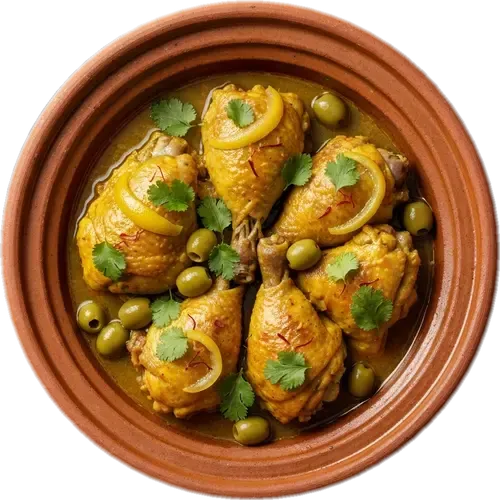
Saffron is a fragrant spice derived from the dried stigmas of the Crocus sativus flower, long used in Mediterranean, Middle Eastern and South Asian cuisines for its color, aroma and subtle floral-saffron flavor. It is prized as a finishing spice in rice, stews, paellas and desserts and is typically used in very small amounts due to its intense flavor and high cost. Nutritionally, Saffron is used as a concentrated flavoring rather than a bulk food; per 100 g it contains notable micronutrients such as 80mg of vitamin C and small amounts of fiber and protein, but in culinary practice you consume only tiny fractions of a gram. Because of that, its nutritional contribution to a meal is minor, though it does add antioxidants without adding salt or saturated fat. Beyond basic nutrients, Saffron contains characteristic antioxidant compounds (carotenoids like crocin and aromatic compounds such as safranal) that contribute color, aroma and potential antioxidant effects. Used in normal culinary amounts, it provides these beneficial phytochemicals without meaningfully affecting calories or macronutrient balance.
Vegan · Lactose free · Gluten free · Unprocessed · ~1200.00€/100g
Kinome Health Grade
Optimal
-
Macronutrients per selected portion. Averaged from verified sources.
16% of Daily kcal · energy-dense
23% RDI
1.6g sat fat
24% RDI
0% RDI
13% RDI
0% RDI
Scored against dietary guidelines. Tap rows for a deeper breakdown.
Composite score - weighted by current nutrition science
S- · 9.1 / 10
Top-rated recipes across the kinome library.
Yes, Saffron is exceptionally healthy, earning an S Health Grade. It is an excellent source of Manganese and Vitamin A.
Saffron is NOVA 1 - Unprocessed.
Yes, Saffron is gluten free.
100g of Saffron contains 310 kcal, 11.4g protein, 65.4g carbohydrates, 5.9g fat, and 3.9g fiber.
Yes, Saffron is vegan.
Yes, Saffron is lactose free.