Calories
325 kcal
16% of Daily kcal · energy-dense
Protein
10 g
20% RDI
Fat
1.5 g
0.3g sat fat
Carbs
70 g
25% RDI
Sugar
1.5 g
3% RDI
Fiber
15 g
50% RDI
Salt
0 g
0% RDI
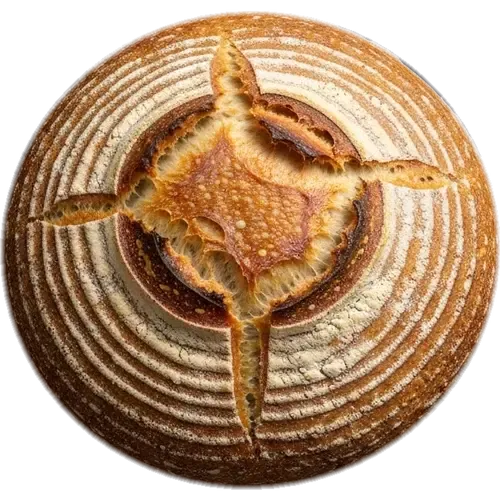
Rye Flour is a milled flour made from rye grain and is commonly used in Northern and Eastern European baking for breads, crackers and dense loaves; Fine Rye Flour is a more finely ground version best suited to lighter-textured rye breads and pastries. Nutrition-wise, Rye Flour is notable for its relatively high fiber content at 15g per 100g, modest protein and very low fat—making it useful when you want a grain that promotes fullness and has a lower glycaemic impact than many refined wheat flours. It also contributes trace minerals such as manganese, selenium and copper. From a health perspective, rye flour is valued for supporting digestive health and satiety because of its fiber and whole-grain characteristics; it also supplies useful micronutrients with little saturated fat. For baking, swapping to whole-grain versions will further boost its fiber and mineral benefits.
Vegan · Lactose free · Unprocessed · ~0.30€/100g
Kinome Health Grade
Optimal
-
Macronutrients per selected portion. Averaged from verified sources.
16% of Daily kcal · energy-dense
20% RDI
0.3g sat fat
25% RDI
3% RDI
50% RDI
0% RDI
Scored against dietary guidelines. Tap rows for a deeper breakdown.
Composite score - weighted by current nutrition science
S · 9.9 / 10
Top-rated recipes across the kinome library.
Yes, Rye Flour is exceptionally healthy, earning an S Health Grade. It is a good source of dietary fiber (15g per 100g).
Rye Flour is NOVA 1 - Unprocessed.
Yes, Rye Flour is lactose free.
100g of Rye Flour contains 325 kcal, 10g protein, 70g carbohydrates, 1.5g fat, and 15g fiber.
Yes, Rye Flour is vegan.