Calories
11 kcal
1% of Daily kcal · low-calorie
Protein
2.3 g
5% RDI
Fat
0.1 g
0g sat fat
Carbs
1.3 g
0% RDI
Sugar
0.2 g
0% RDI
Fiber
0.5 g
2% RDI
Salt
0 g
1% RDI
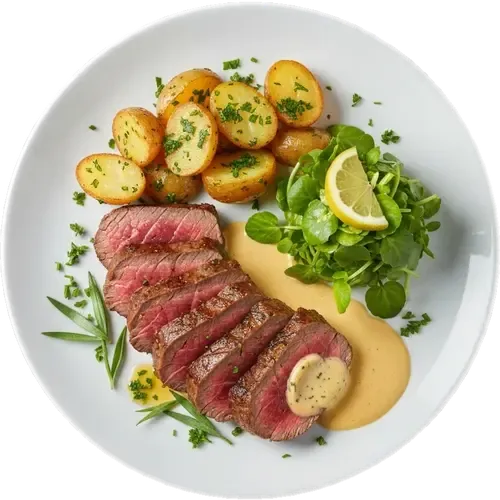
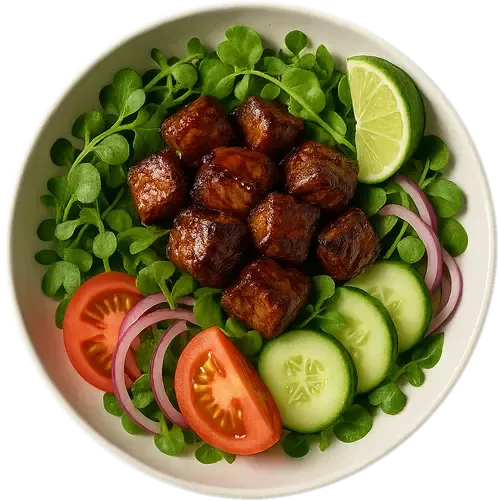
Watercress is a peppery, aquatic leafy green from the Brassicaceae family commonly used raw in salads, sandwiches and as a garnish, and cooked into soups or sautés in many European and Asian cuisines. It is very low in calories and is valued for its bright, peppery flavor and tender leaves. Nutritionally, Watercress is notable for its high vitamin K content (250µg per 100g), and it also provides vitamin C, some plant protein and small amounts of omega‑3s and fiber, making it a nutrient-dense choice for adding volume and micronutrients to meals. Health context Watercress contains glucosinolate compounds typical of cruciferous vegetables, which have been associated with detoxifying and antioxidant effects, and its nutrient profile supports bone and vascular health due to the vitamin K content.
Vegan · Lactose free · Gluten free · Unprocessed · ~2.50€/100g
Kinome Health Grade
Optimal
-
Macronutrients per selected portion. Averaged from verified sources.
1% of Daily kcal · low-calorie
5% RDI
0g sat fat
0% RDI
0% RDI
2% RDI
1% RDI
Scored against dietary guidelines. Tap rows for a deeper breakdown.
Composite score - weighted by current nutrition science
S+ · 10.0 / 10
Top-rated recipes across the kinome library.
Yes, Watercress is exceptionally healthy, earning an S Health Grade. It has a strong fat quality profile.
Watercress is NOVA 1 - Unprocessed.
Yes, Watercress is gluten free.
100g of Watercress contains 11 kcal, 2.3g protein, 1.29g carbohydrates, 0.1g fat, and 0.5g fiber.
Yes, Watercress is vegan.
Yes, Watercress is lactose free.