Calories
65 kcal
3% of Daily kcal · low-calorie
Protein
0.9 g
2% RDI
Fat
0.6 g
0.1g sat fat
Carbs
14 g
5% RDI
Sugar
8.7 g
17% RDI
Fiber
5 g
17% RDI
Salt
0 g
0% RDI
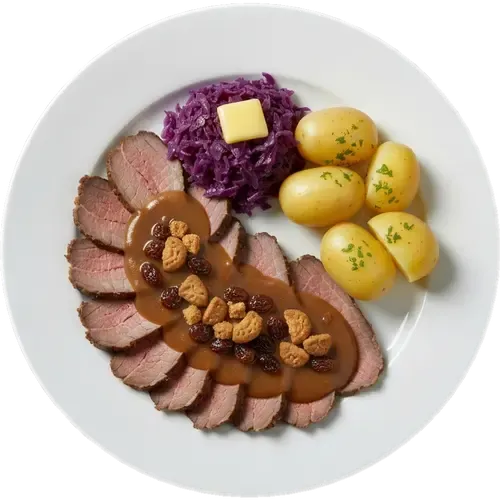
Juniper Berries are the fragrant, resinous berries of Juniperus communis commonly used in Northern European and Mediterranean cuisines — most famously as the botanical flavoring for gin and as a seasoning for game, stews and sauces. They are typically used dried or crushed to give a piney, citrusy note rather than eaten fresh. Nutritionally, Juniper Berries are notable for their fiber content, providing about 5g of fiber per 100g, and they also supply vitamin K and trace minerals like manganese and copper. While used in small amounts as a spice, they contribute antioxidants and a floral, resinous aroma to dishes. From a health perspective, juniper berries are valued for their fiber and micronutrient content and contain polyphenolic compounds that act as antioxidants; used sparingly, they can add flavor with few downsides.
Vegan · Lactose free · Gluten free · Unprocessed · ~8.00€/100g
Kinome Health Grade
Optimal
-
Macronutrients per selected portion. Derived from Juniper Berries.
3% of Daily kcal · low-calorie
2% RDI
0.1g sat fat
5% RDI
17% RDI
17% RDI
0% RDI
Scored against dietary guidelines. Tap rows for a deeper breakdown.
Composite score - weighted by current nutrition science
S+ · 10.0 / 10
Top-rated recipes across the kinome library.
Yes, Juniper Berry is exceptionally healthy, earning an S Health Grade. It is a good source of dietary fiber (5g per 100g).
Juniper Berry is NOVA 1 - Unprocessed.
Yes, Juniper Berry is gluten free.
100g of Juniper Berry contains 65 kcal, 0.9g protein, 14g carbohydrates, 0.6g fat, and 5g fiber.
Yes, Juniper Berry is vegan.
Yes, Juniper Berry is lactose free.