Calories
23 kcal
1% of Daily kcal · low-calorie
Protein
3.1 g
6% RDI
Fat
0.6 g
0g sat fat
Carbs
2.6 g
1% RDI
Sugar
0.3 g
1% RDI
Fiber
1.6 g
5% RDI
Salt
0 g
0% RDI
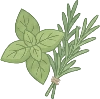
Basil is a fragrant culinary herb widely used in Mediterranean and Southeast Asian cuisines — especially Italian and Thai dishes — prized for its bright, aromatic leaves and fresh flavor. It’s commonly added to sauces, salads, soups and as a finishing herb to lift dishes rather than as a primary ingredient. Nutritionally, Basil is low in calories and concentrated in micronutrients; for example it provides 101µg of vitamin K per 100g, making it useful for adding vitamins and flavor with very little energy. It also contributes modest amounts of fiber, plant protein and minerals. From a health perspective, Basil brings antioxidant compounds (including carotenoids and polyphenolic components) and useful micronutrients while being very low in saturated fat. Used as a flavoring herb, it’s an easy way to increase vegetable variety and antioxidant intake without adding many calories.
Vegan · Lactose free · Gluten free · Unprocessed · ~2.50€/100g
Kinome Health Grade
Optimal
-
Macronutrients per selected portion. Averaged from verified sources.
1% of Daily kcal · low-calorie
6% RDI
0g sat fat
1% RDI
1% RDI
5% RDI
0% RDI
Scored against dietary guidelines. Tap rows for a deeper breakdown.
Composite score - weighted by current nutrition science
S+ · 10.0 / 10
Top-rated recipes across the kinome library.
Yes, Basil is exceptionally healthy, earning an S Health Grade. It has a strong fat quality profile.
Basil is NOVA 1 - Unprocessed.
Yes, Basil is gluten free.
100g of Basil contains 23 kcal, 3.15g protein, 2.65g carbohydrates, 0.64g fat, and 1.6g fiber.
Yes, Basil is vegan.
Yes, Basil is lactose free.