Calories
60 kcal
3% of Daily kcal · low-calorie
Protein
1 g
2% RDI
Fat
0.1 g
0g sat fat
Carbs
14 g
5% RDI
Sugar
13 g
25% RDI
Fiber
1 g
3% RDI
Salt
0 g
0% RDI
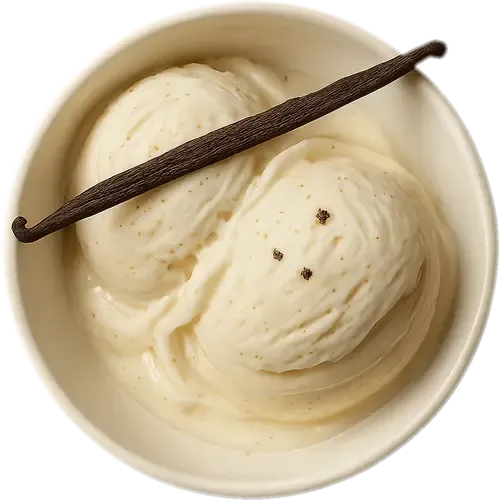
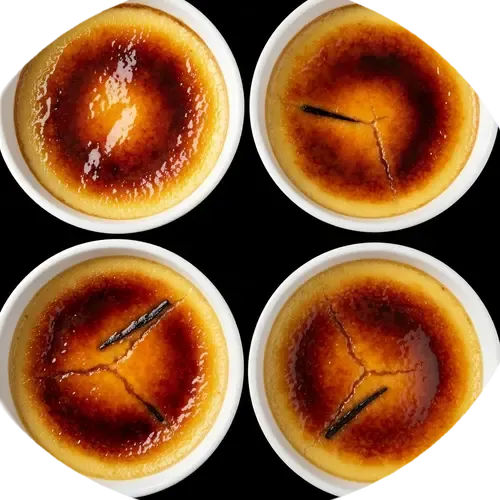
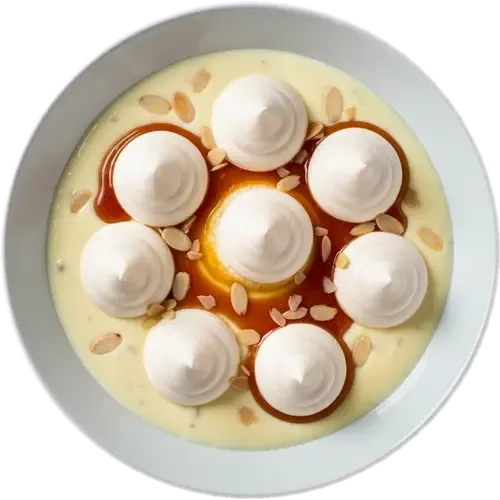
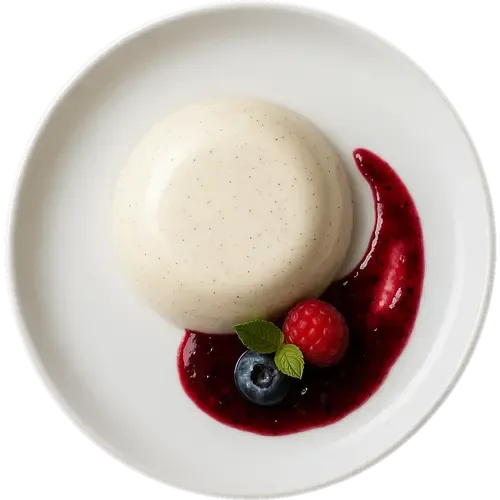
Vanilla Bean is the long, aromatic pod of the vanilla orchid, prized worldwide as a natural flavoring in baking, desserts and perfumery; it originated in Mexico but is now cultivated in tropical regions like Madagascar and Tahiti. In cooking it is known for its fragrant seeds and floral, creamy aroma that infuses custards, creams and sauces. Although typically used in very small amounts, Vanilla Bean contains very little energy at 60kcal per 100g and negligible fat, so it adds plenty of flavor without adding meaningful calories. It also contributes trace minerals and aromatic phytochemicals, though you’d need larger quantities than normally used to obtain nutritional benefits. From a health perspective, vanilla is best valued for its sensory benefits — enhancing sweetness and flavor so recipes can use less added sugar — rather than as a source of macronutrients. Because it’s used sparingly, its impact on the nutritional profile of a dish is minimal, while its natural flavor can improve enjoyment of homemade, less-sweet recipes.
Vegan · Lactose free · Gluten free · Unprocessed · ~200.00€/100g
Kinome Health Grade
Healthy
-
Macronutrients per selected portion. Averaged from verified sources.
3% of Daily kcal · low-calorie
2% RDI
0g sat fat
5% RDI
25% RDI
3% RDI
0% RDI
Scored against dietary guidelines. Tap rows for a deeper breakdown.
Composite score - weighted by current nutrition science
B · 6.9 / 10
Top-rated recipes across the kinome library.
Yes, Vanilla Bean is considered healthy with a Health Grade of B. It is rich in protective compounds.
Vanilla Bean is NOVA 1 - Unprocessed.
Yes, Vanilla Bean is gluten free.
100g of Vanilla Bean contains 60 kcal, 1g protein, 13.5g carbohydrates, 0.1g fat, and 1g fiber.
Yes, Vanilla Bean is vegan.
Yes, Vanilla Bean is lactose free.